Autism Quote Design: Graphics & Crafts Asset Review
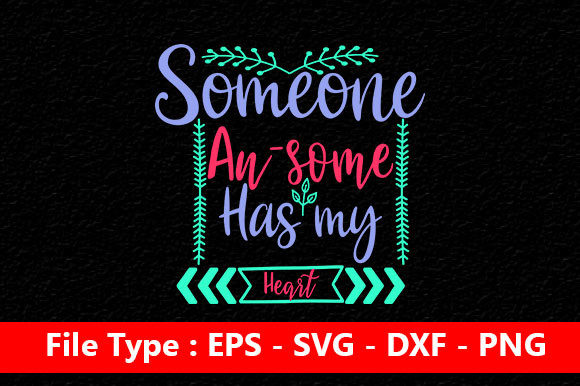
As a brand designer and content marketer who’s helped over 200 small businesses refine their visual voice, I opened Autism Quote Design, Someone Au-some Has expecting warmth—but what stood out immediately was its quiet confidence. It doesn’t shout; it smiles. The phrase “someone au-some has my heart” carries gentle pride, empathy, and authenticity—ideal for brands rooted in inclusion, neurodiversity advocacy, education, therapy practices, or handmade wellness products. Visually, it balances playful lettering with clean spacing and subtle typographic wit (the “au-some” substitution lands with sincerity, not gimmickry). This isn’t novelty clipart—it’s a considered graphic design asset that supports emotional resonance without sacrificing polish.
A Real Campaign Fit: Launching a Neuro-Inclusive Journal Line
Last month, I collaborated with a small business launching a line of mindfulness journals for autistic teens and adults. Their goal? Build trust before launch—not just sell, but signal belonging. We embedded Autism Quote Design, Someone Au-some Has across three touchpoints: as a foil-stamped accent on journal covers, as the central visual in Instagram carousel posts explaining journal features, and as a printable sticker included in every order. Why it worked: the design’s soft curves and balanced weight created immediate visual hierarchy, guiding attention to the message—not the decoration. Unlike overly ornate SVG designs, this one breathes. It didn’t compete with photography or handwritten testimonials; it complemented them.
Where It Strengthens Brand Identity & Marketing Visuals
This digital product performs exceptionally well where human connection matters most:
- Social media graphics: Stands out in Instagram feeds and Pinterest pins—especially against muted backgrounds or lifestyle photography.
- Packaging design and product labels: Works beautifully as a die-cut sticker or embossed detail on boxes, gift tags, or insert cards.
- Editorial design and blog graphics: Adds warmth to resource roundups, awareness campaigns, or therapist-led content without diluting credibility.
- Lead magnets and content bundles: Scales cleanly into Canva templates, PDF workbooks, and email banners—thanks to its native SVG and EPS files.
- Digital ads and web design: Delivers clarity at thumbnail size when paired with high-contrast backgrounds.
Its versatility extends to merchandise (think enamel pins or tote prints), event flyers for sensory-friendly workshops, and even digital product visuals like Notion templates or printable planners. Because it ships with DXF files, craft-based creators using Cricut or Silhouette machines can cut it precisely—making it equally valuable for Crafts sellers and Graphics designers alike.
How It Builds Audience Trust & Professional Branding
In today’s saturated digital space, audiences scan faster than ever. A single graphic must communicate tone, values, and competence in under two seconds. Autism Quote Design, Someone Au-some Has delivers that stronger first impression by avoiding clichés—no puzzle pieces, no rainbow infinity symbols—and opting instead for inclusive language rendered with care. That choice signals intentionality. When used consistently across touchpoints, it contributes to more consistent branding and stronger recognition. Readers don’t just see a quote—they recognize a voice that listens.
For small business branding, it reinforces audience trust by aligning visuals with mission. Therapists use it in client handouts; educators feature it in classroom newsletters; online coaches embed it in welcome sequences—all reinforcing professionalism through thoughtful execution, not stock imagery.
Strategic Placement: Where This Design Asset Shines
Use Autism Quote Design, Someone Au-some Has most effectively in:
- Hero graphics for landing pages promoting neuro-inclusive services
- Campaign headers during Autism Acceptance Month or back-to-school launches
- Branded templates for Canva or Google Slides used by allied professionals
- Packaging accents that elevate unboxing experiences for handmade goods
- Decorative brand elements—subtle watermarks, corner flourishes, or divider lines in digital reports
Design Notes Every Brand Creator Should Test
Before deploying this creative design, run these practical checks:
- Test it against your full brand color palette—especially light neutrals and deep teals or purples common in inclusive branding.
- Verify legibility in black and white for printables, invoices, or monochrome merch.
- Drop it into real campaign mockups (e.g., Instagram Story frames, email header dimensions) to assess balance and spacing.
- Preview on mobile screens—does the “au-some” kerning hold up at 24px?
- Compare pairing options: it harmonizes with friendly sans serifs (like Poppins), warm serifs (such as Merriweather), and restrained script fonts—but avoid competing display fonts.
- Confirm commercial license coverage—this is essential for client work, paid ads, or resale items like printable planners.
Where to Use With Intention—Not Assumption
This asset shines in expressive, values-driven contexts—but tread carefully in:
- Formal corporate branding (e.g., investor decks or B2B SaaS platforms)
- Dense information layouts where visual noise undermines scannability
- Small mobile graphics below 120px width—letterforms lose nuance
- Low-contrast backgrounds (e.g., light gray text on off-white)—test PNG transparency rigorously
- Overly minimal brands that rely on stark negative space—its charm lies in gentle presence, not austerity
It’s not built for hard-sell banners or data-heavy infographics. Its power is relational—not transactional.
Final Verdict: A Thoughtful Creative Marketplace Addition
Autism Quote Design, Someone Au-some Has is more than clipart or illustration—it’s a design bundle engineered for emotional precision. For content creators building marketing visuals around empathy, educators designing printable design resources, or makers curating commercial design assets for neurodiverse audiences, it bridges authenticity and polish. When used intentionally—with attention to context, contrast, and commercial rights—it strengthens professional branding, deepens emotional connection, and elevates everyday creative marketplace offerings from decorative to meaningful.